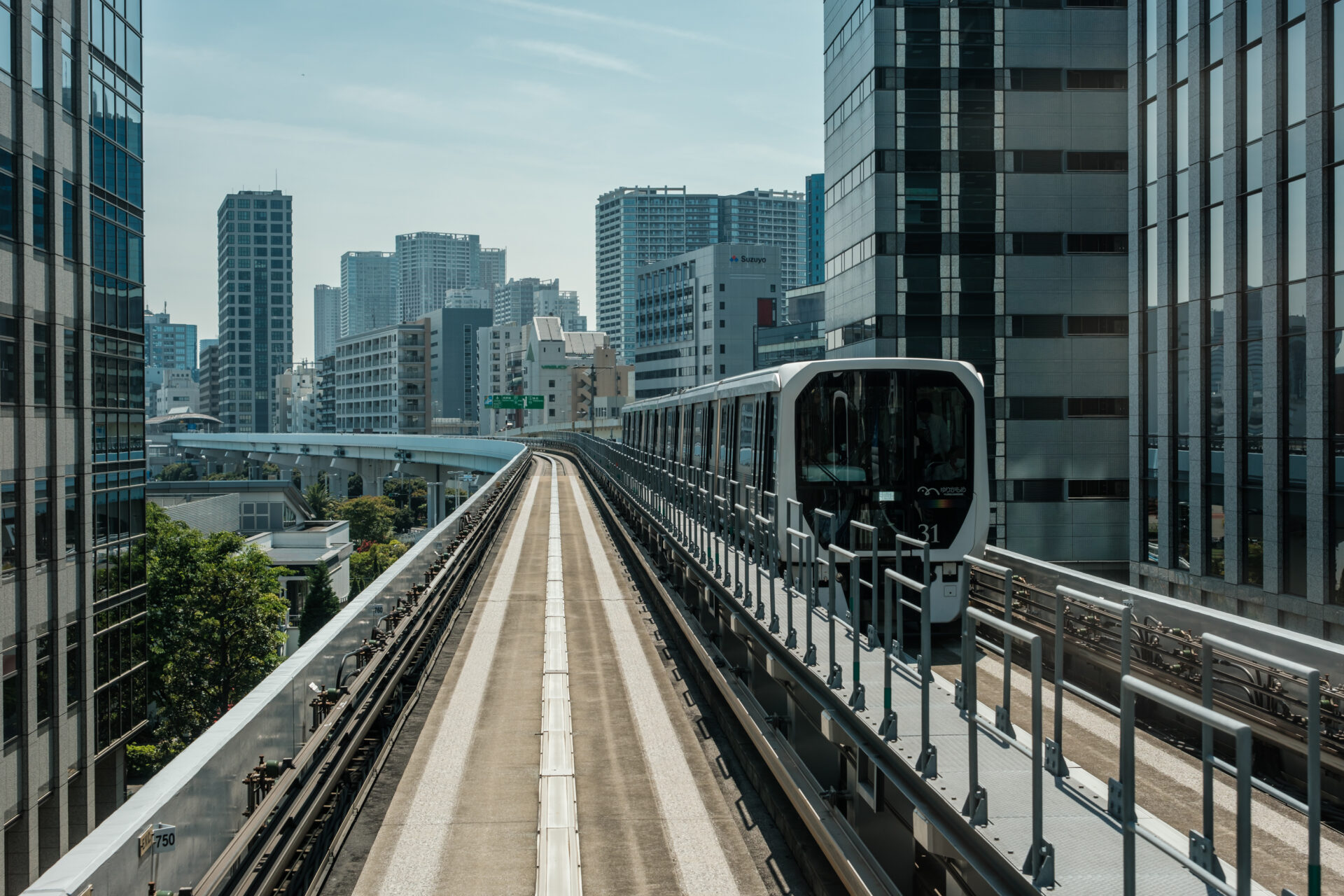
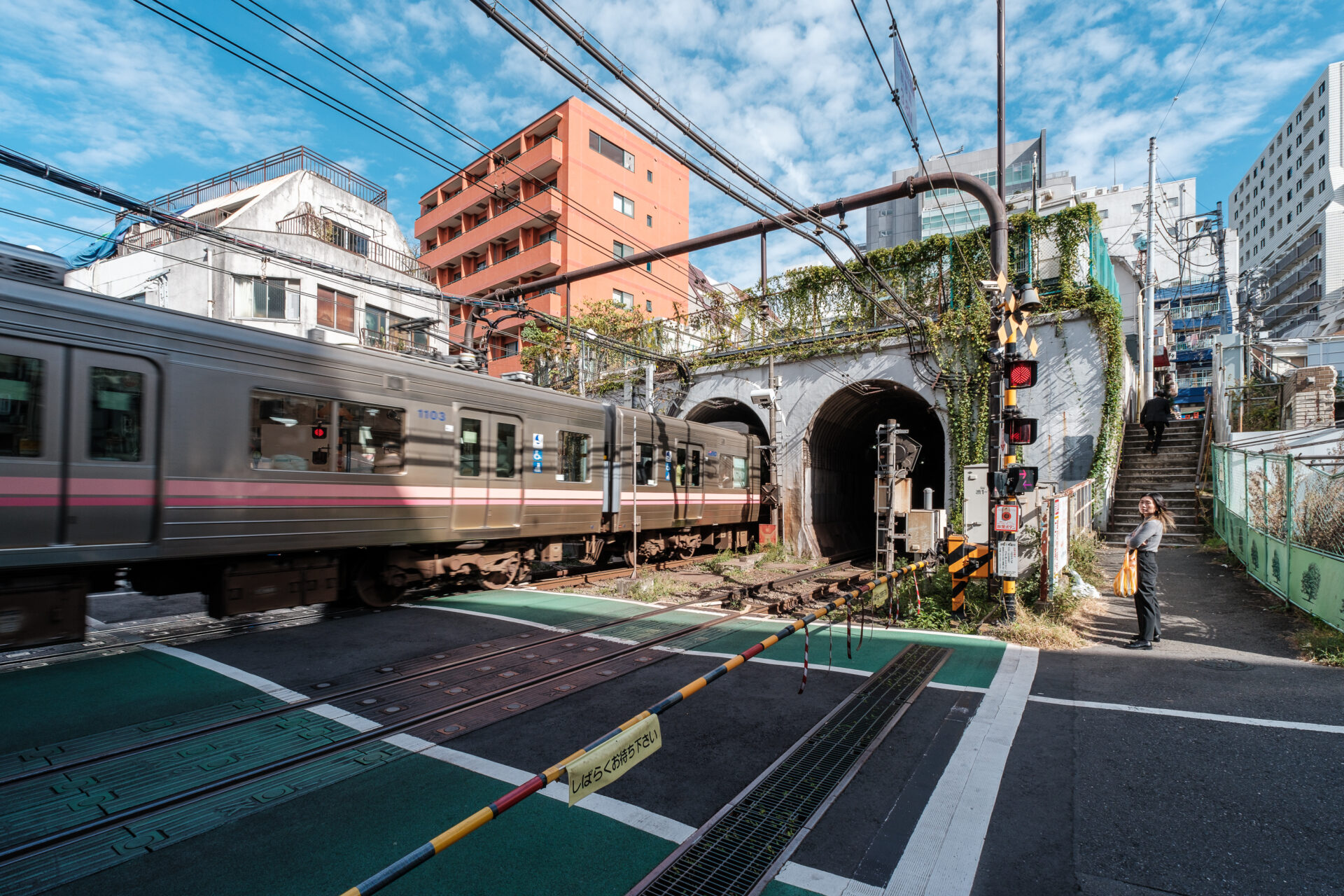
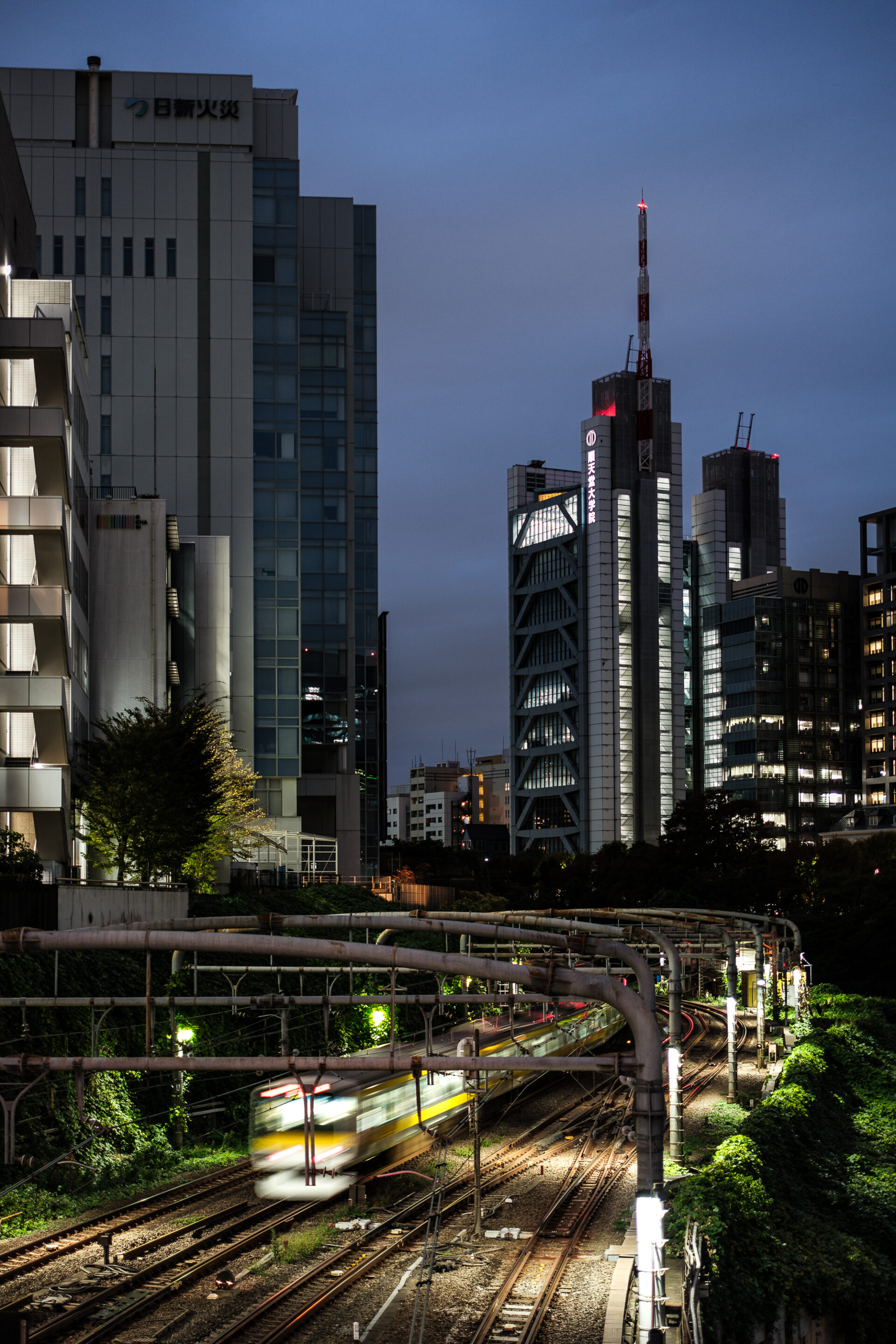
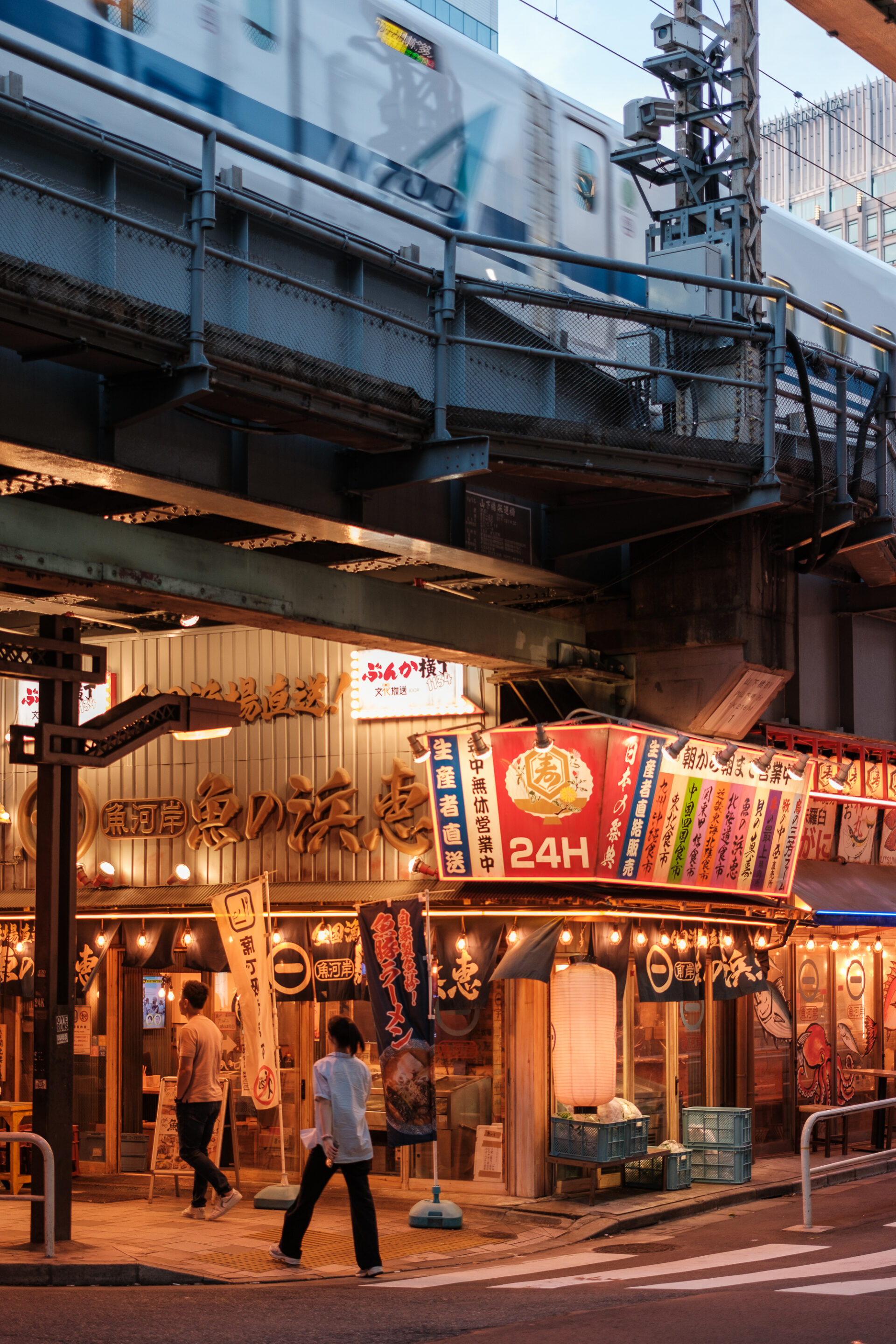
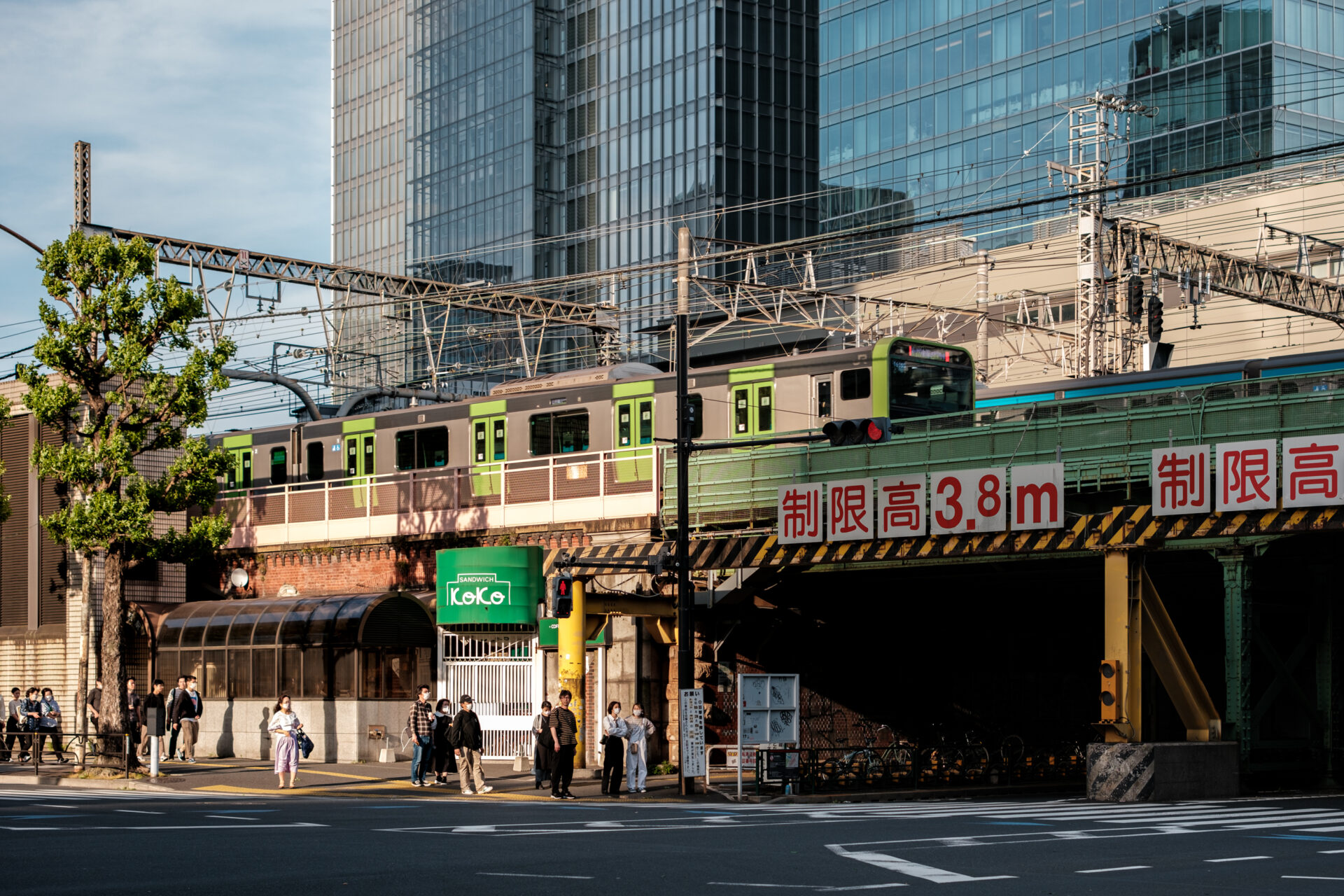
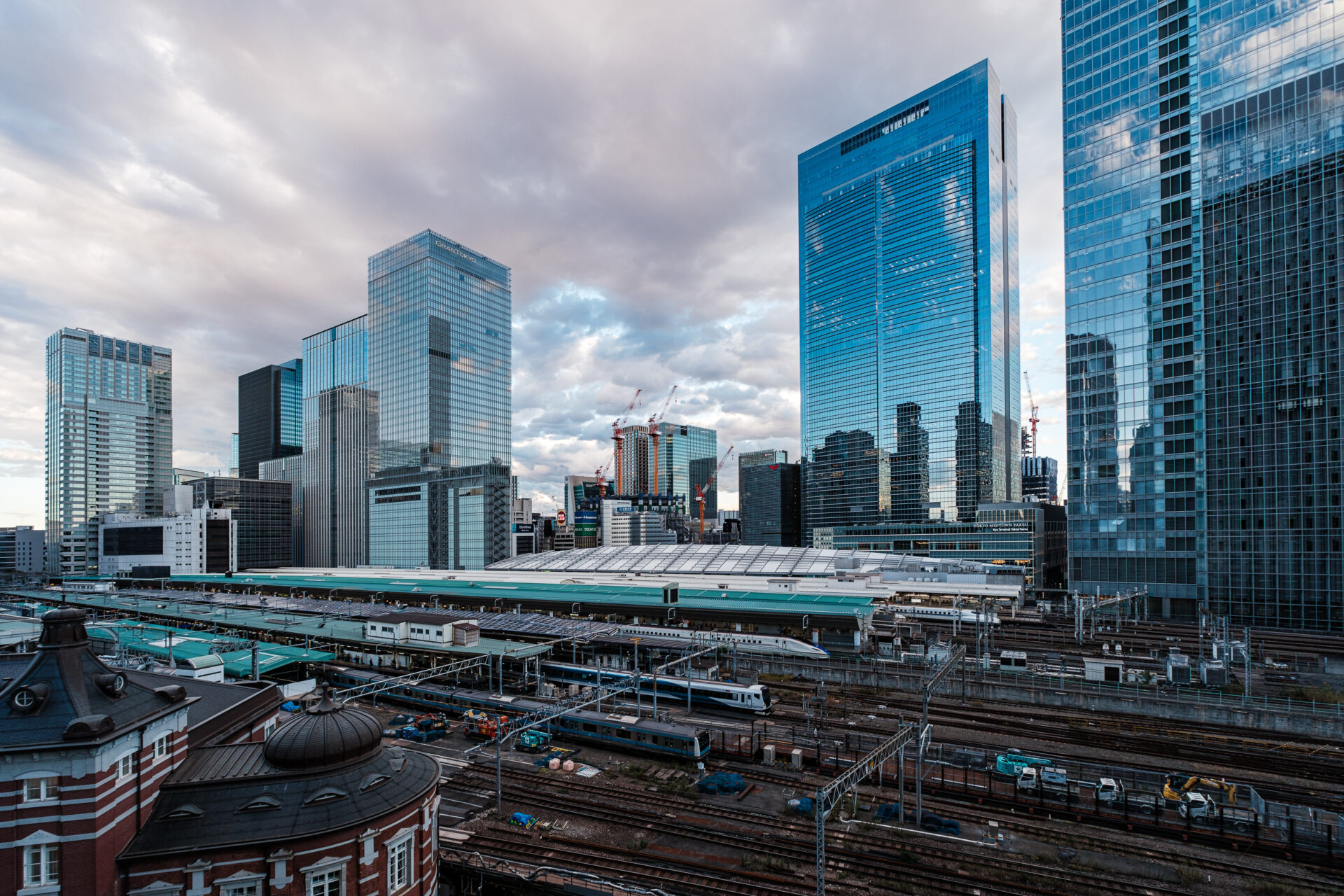
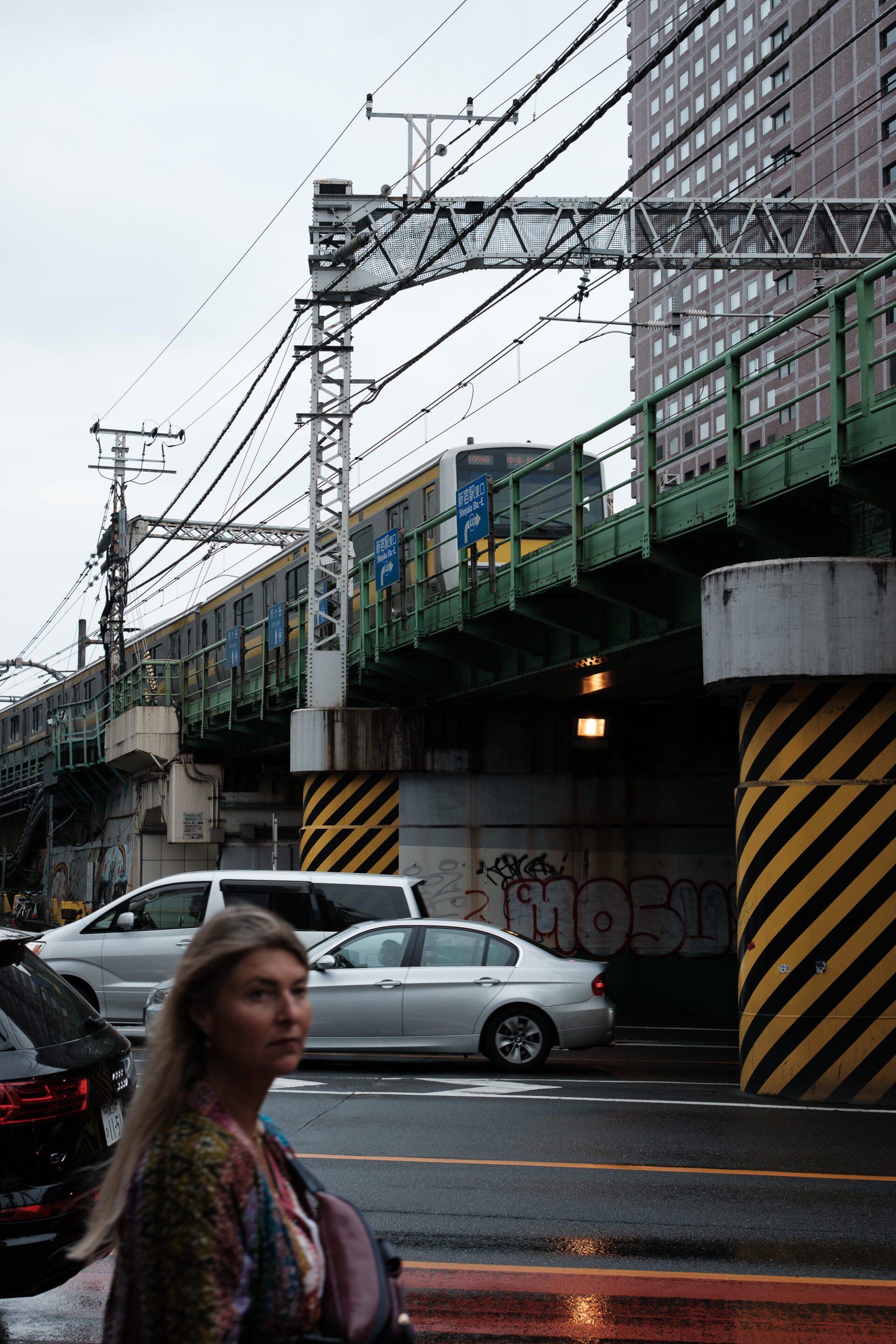
Tokyo does not hide its machinery. It lets the tracks run through the middle of everything: past glass towers, over shopping arcades, a few metres from someone’s dinner.
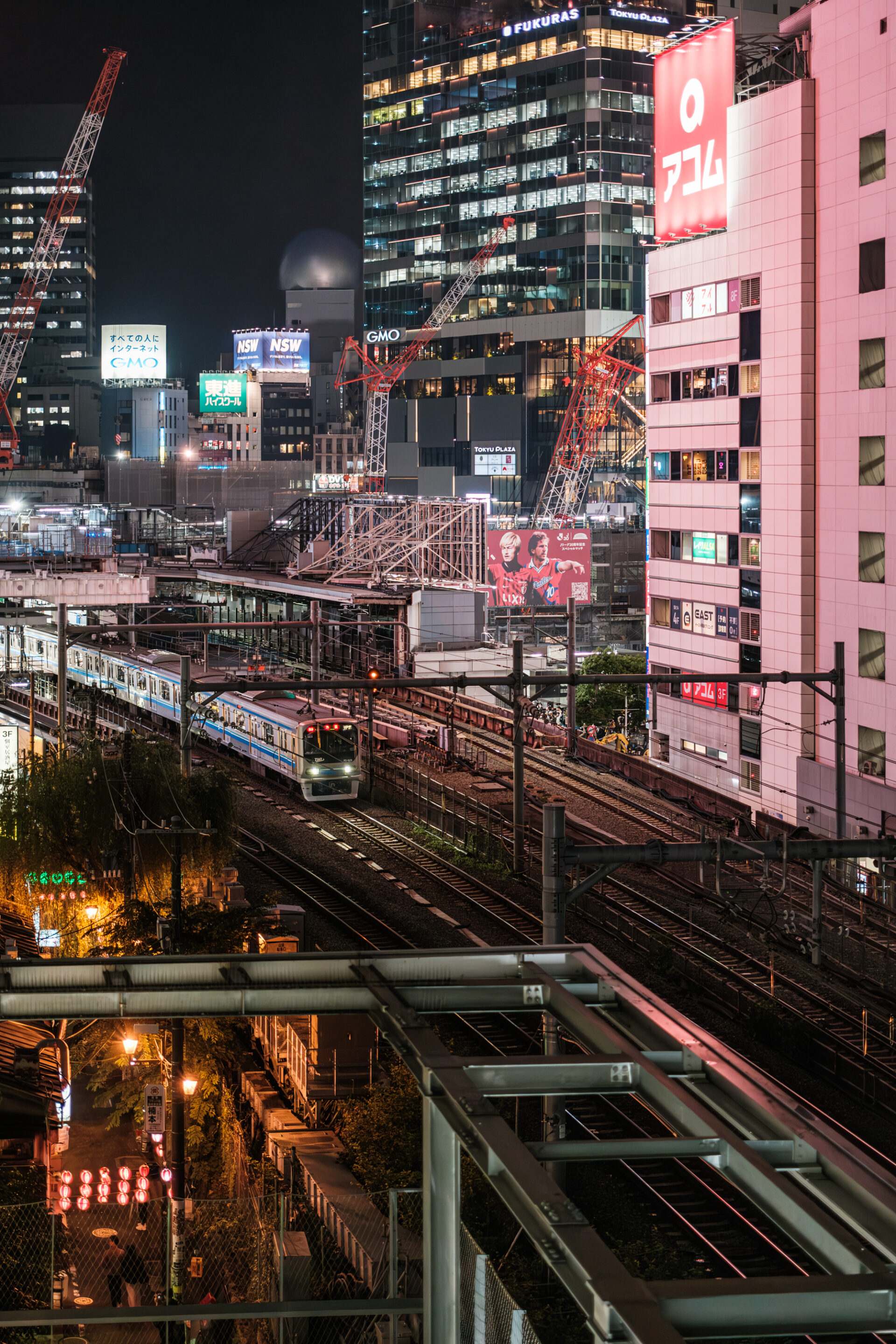
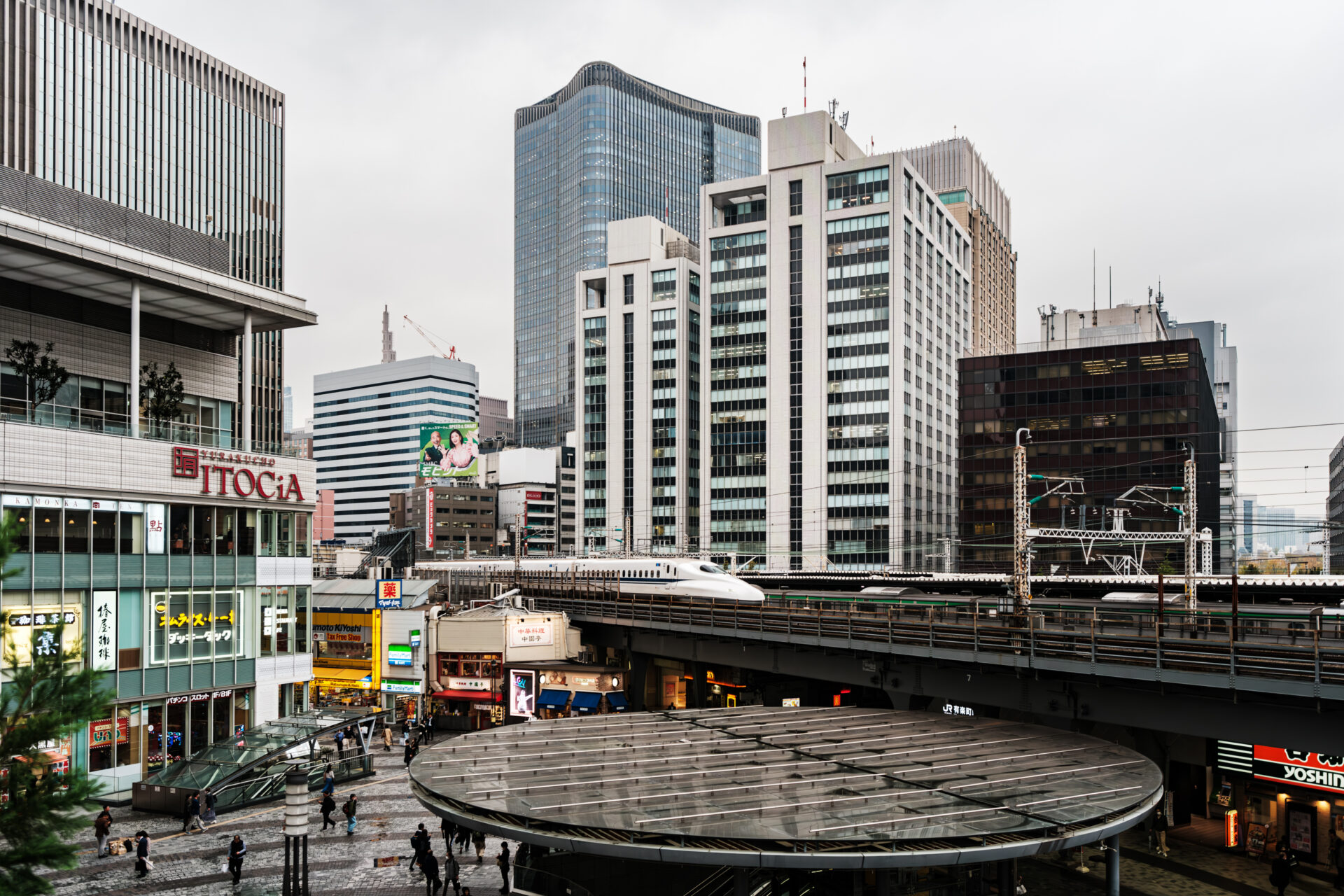
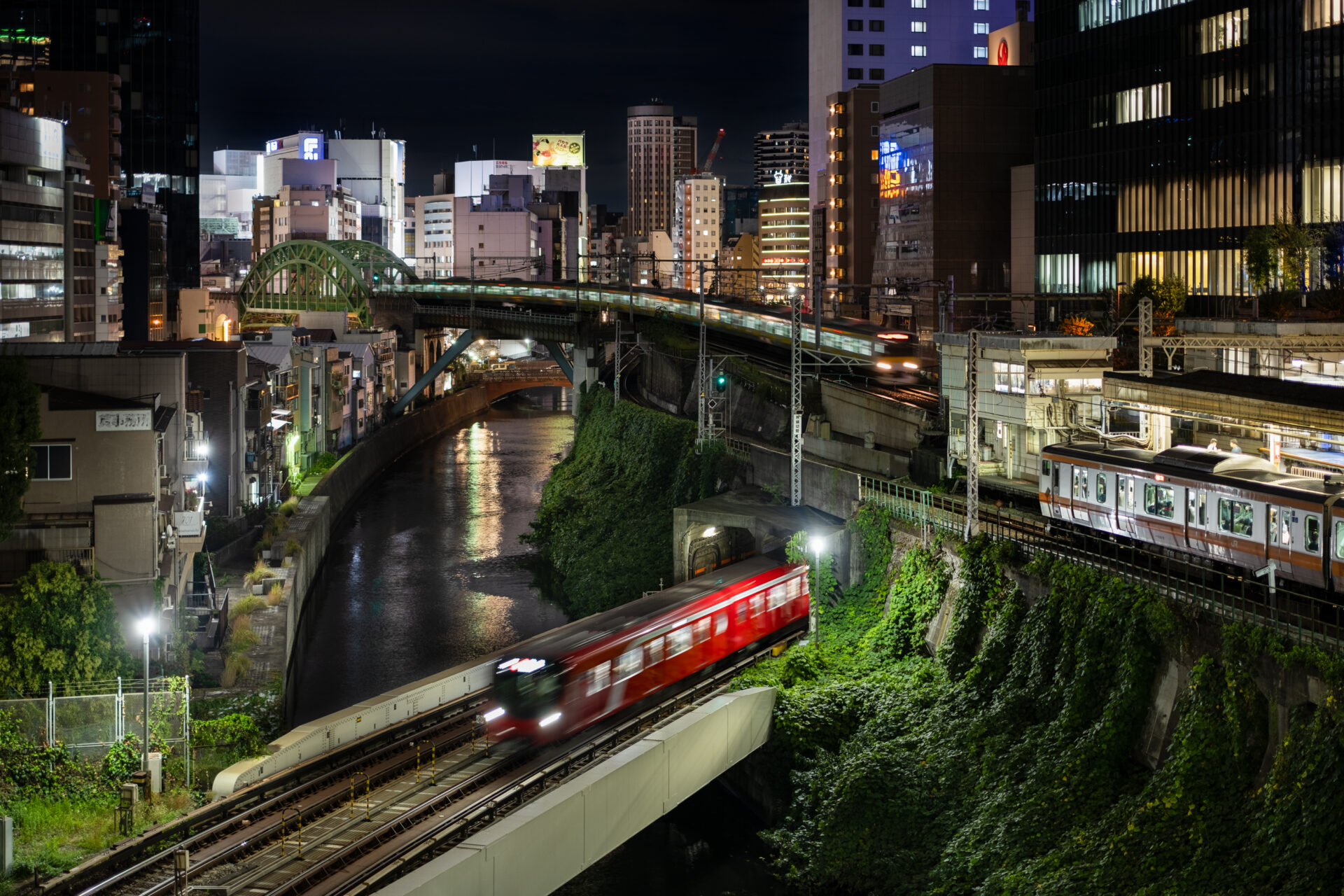
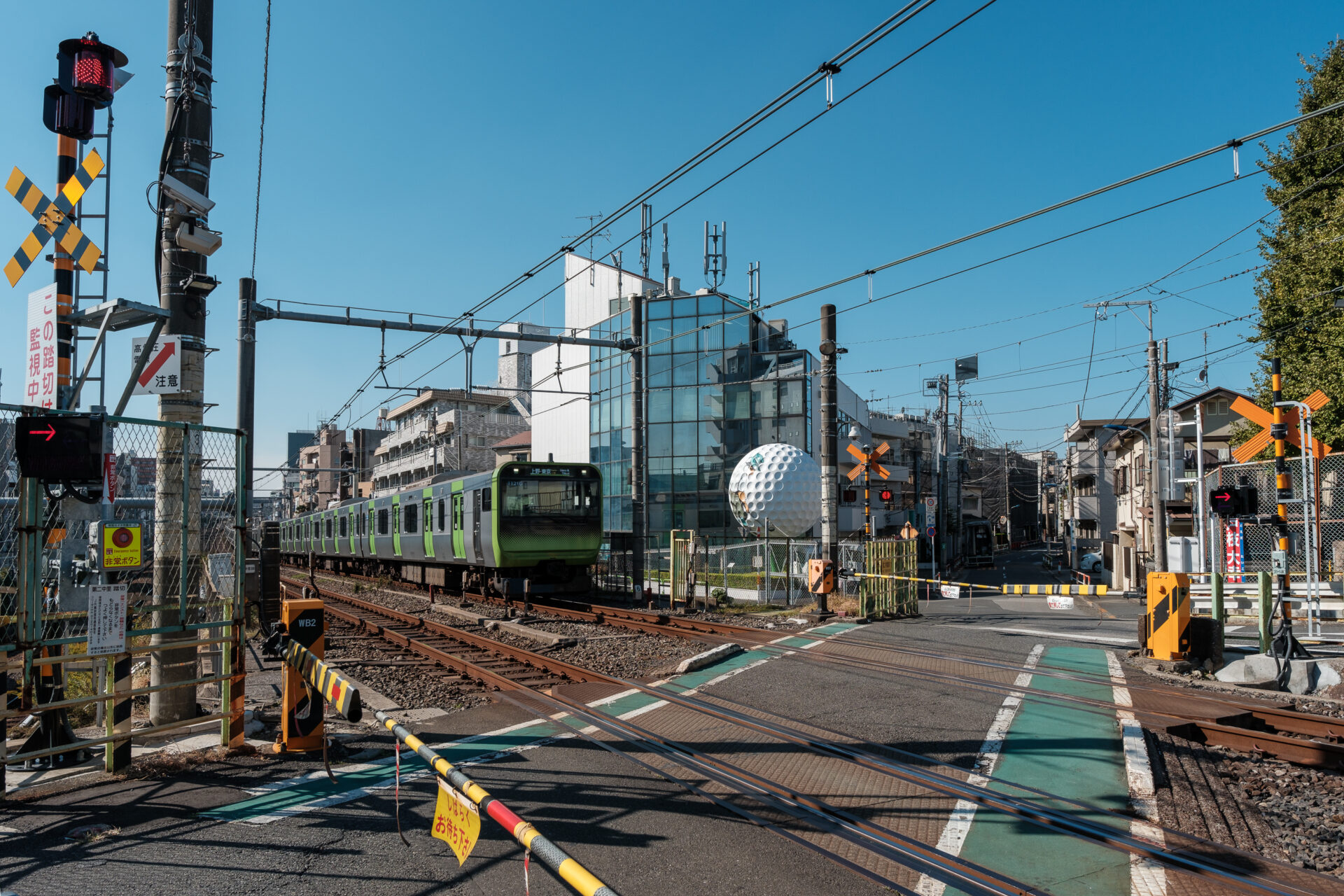
At night the rails glow. A blue-and-white carriage slides out of the dark beneath cranes and neon. A scarlet subway train breaks from a tunnel beside a black canal, while another crosses the bridge above. By day, a green Yamanote carriage rattles over a low brick bridge and the crowd below keeps walking. A bullet train glides above Yurakucho, and no one looks up.
That is the quiet miracle. The trains are so reliable they have become part of the scenery, like weather or light. The barrier drops, the bells ring, a train passes, and the city carries on.
Tokyo is a place of towers, but the towers are not what holds it together. The trains do: threading old brick to new glass, neighbourhood to neighbourhood, minute after minute, and making a city of fourteen million feel almost calm.
Stand still beside the tracks and you will see it. The city is not defined by what stands. It is defined by what moves.